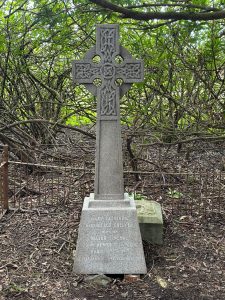
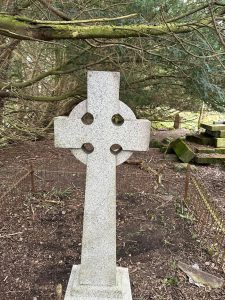
Mary married Major General John Heron Maxwell Shaw-Stewart on the 7th of September, 1871. The couple’s union, celebrated in an Episcopal ceremony in Edinburgh, signified their established social status and connection to the religious traditions of their community. However, the marriage faced challenges, leading to a separation. This separation was profound enough that their younger son, Patrick, was primarily raised by a nanny—a figure so central to his upbringing that he affectionately referred to her as “dear.” This detail indicates the emotional distance within the family, where parental figures were supplemented or even replaced by household staff.
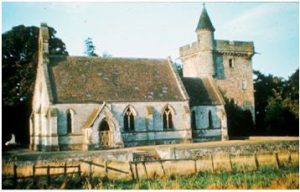 “Image Credit: Falkirk History Society”
“Image Credit: Falkirk History Society”
The Children’s Contributions and Legacies
Patrick Houston Shaw-Stewart, one of Mary’s children, became noted as a war poet, whose works captured the horror and futility of World War One and won him the Croix de Guerre of France. His most famous poem, “Achilles in the Trench,” reads in full:
“I saw a man this morning
Who did not wish to die;
I ask, and cannot answer,
If otherwise wish I.
Fair broke the day this morning
Upon the Dardanelles;
The breeze blew soft, the morn’s cheeks
Were cold as cold sea-shells.
But other shells are waiting
Across the Aegean Sea;
Shrapnel and high explosives,
Shells and hells for me.
Oh Hell of ships and cities,
Hell of men like me,
Fatal second Helen,
Why must I follow thee?
Achilles came to Troyland
And I to Chersonese;
He turned from wrath to battle,
And I from three days’ peace.
Was it so hard, Achilles,
So very hard to die?
Thou knowest and I know not;
So much the happier am I.
I will go back this morning
From Imbros o’er the sea.
Stand in the trench, Achilles,
Flame-capped, and shout for me.”
Katherine Bedingfeld Shaw-Stewart, another of Mary’s children, received an MBE in 1943 for her contributions during World War Two, indicating the family’s ongoing legacy of service.
Mary’s Final Days and Burial
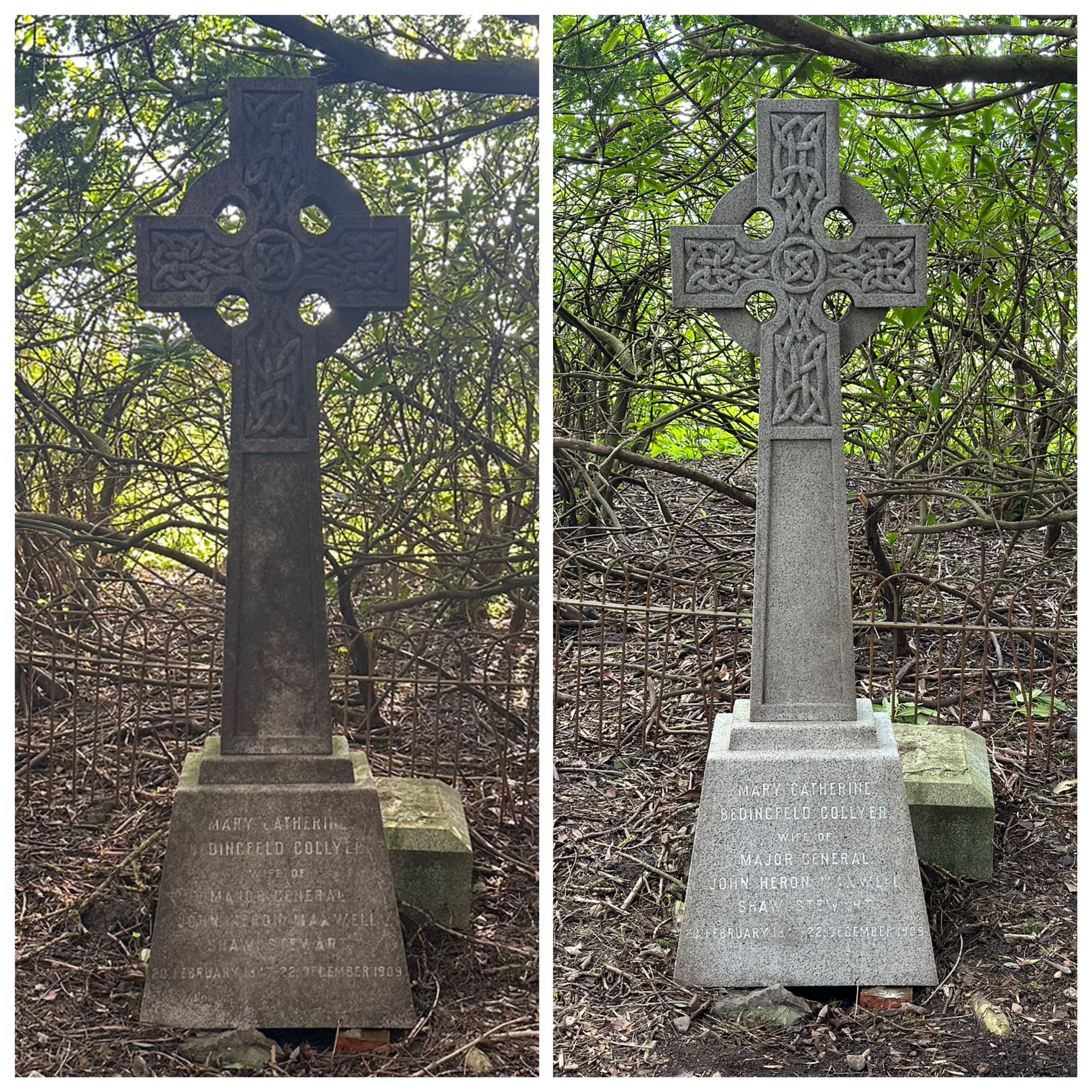
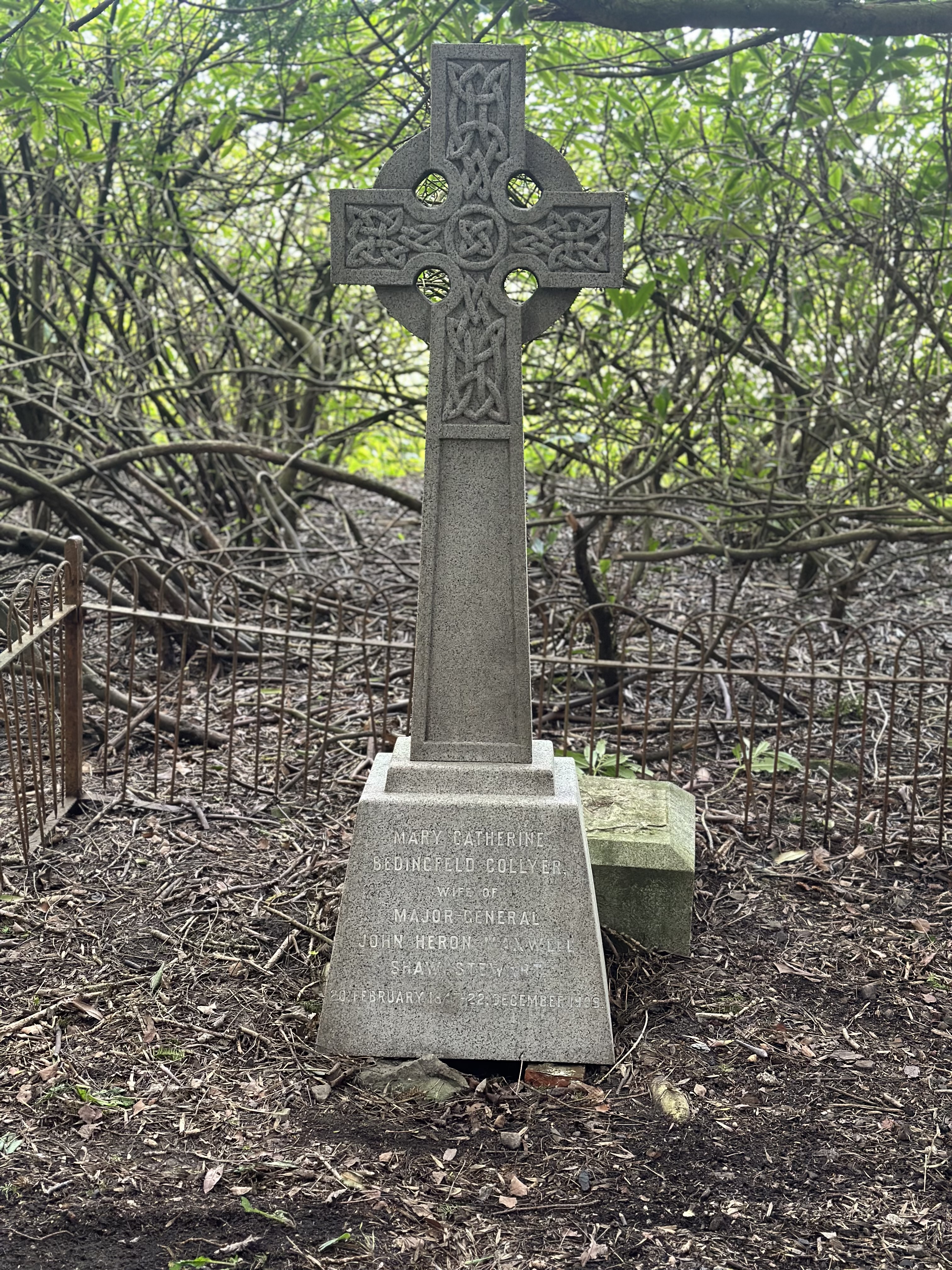
Mary died three days before Christmas in 1909. She passed away in Carnock House, the residence of her husband’s family, and her death was registered by her son, on Christmas day at the registrars office in nearby Bannockburn.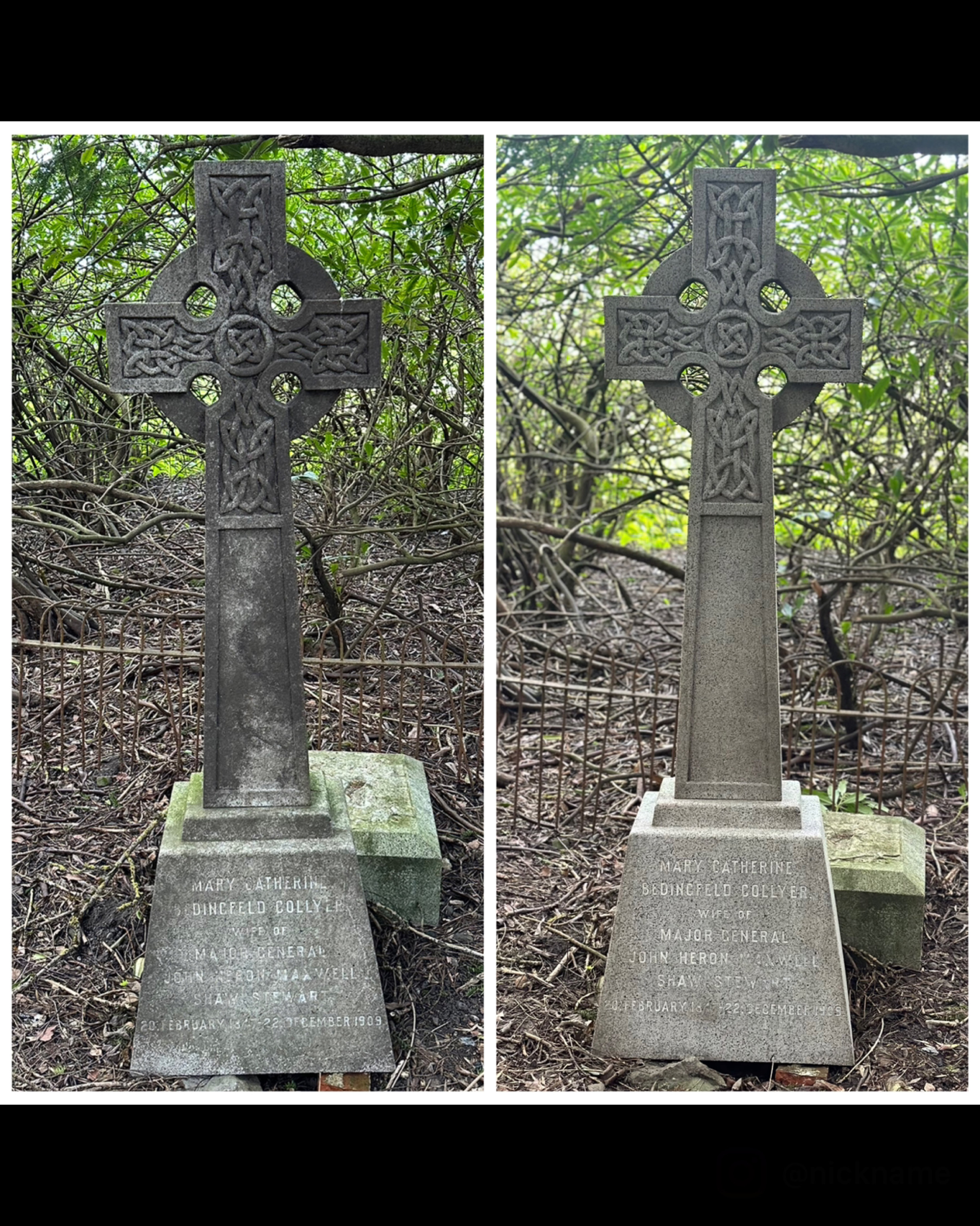 Her grave now lies beside the ruins of an Episcopal church, a once-prestigious burial site for aristocrats and servants alike, now a poignant symbol of historical decay.
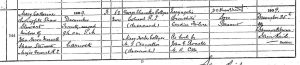
“Image Credit: National records of Scotland”
Our Commitment
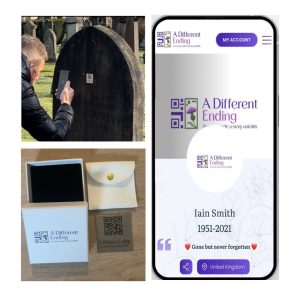
At “A Different Ending,” we are dedicated to uncovering and preserving such stories, ensuring that the personal histories and broader cultural narratives they represent are not forgotten but continue to inspire and educate. Mary Catherine Bedingfeld Shaw-Stewart’s life, marked by personal challenges, social change, and familial legacy, enriches our understanding of her era and reminds us of the complex narratives woven through the history of Victorian and Edwardian Britain.
Monuments of Memory: Connecting Past and Future Through Restoration and New Ways of Remembering